


Cholesterol: Friend or Foe?
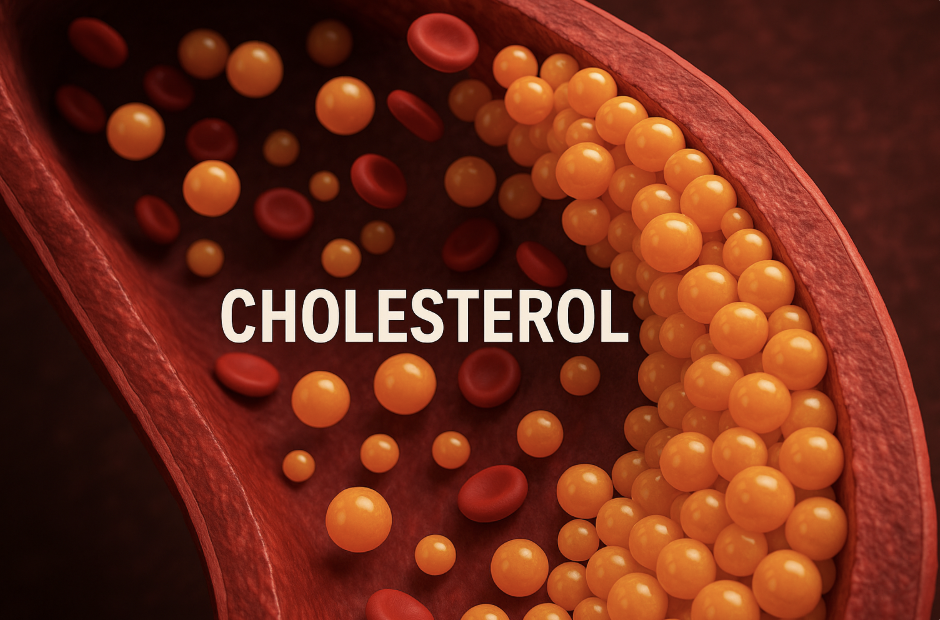
For decades, cholesterol has been blamed for heart disease, prompting fear of eggs, butter, and other natural fats. In truth, cholesterol is essential—it builds cell membranes, produces hormones and vitamin D, supports brain health, and helps repair damaged tissues. Rising cholesterol often reflects your body’s healing response to inflammation, not the cause of heart problems.
Cholesterol & Mental Health
Research shows cholesterol also plays a critical role in the brain. It’s vital for cellular structure and neurotransmission in the central nervous system. A review of studies from 1990–95 found that lowering cholesterol was associated with higher rates of violent deaths in cardiovascular prevention trials. Altered cholesterol levels have also been linked to suicidal ideation, depression, personality changes, and schizophrenia. This suggests cholesterol levels may influence mental state and personality—underscoring the need to approach cholesterol management with caution.
The Real Culprit: Chronic Inflammation
The bigger danger is chronic inflammation, fueled by processed sugars, refined grains, industrial oils, smoking, stress, and inactivity. Unfortunately, medical guidelines—often shaped by pharmaceutical interests—have pushed cholesterol targets dangerously low, promoting widespread use of statin drugs. For most people, these drugs provide minimal benefit while posing risks such as muscle damage, memory loss, liver issues, and nutrient depletion.
Key Points
- Cholesterol is essential for hormone production, vitamin D, brain function, and cell repair.
- Inflammation—not cholesterol—is the primary driver of most heart disease.
- Very low cholesterol (<150) is linked to depression, aggression, cognitive decline, and psychiatric disorders.
- Statins often provide little benefit for heart attack prevention and carry serious side effects.
- Guidelines influenced by pharmaceutical ties have driven overuse of cholesterol-lowering drugs.
Natural Ways to Support Healthy Cholesterol & Heart Health
- Eat whole, nutrient-rich foods with healthy fats: olive oil, coconut oil, avocados, grass-fed butter, raw nuts, eggs.
- Increase omega-3s, especially from krill oil or fatty fish.
- Eliminate processed sugars, refined grains, and trans fats.
- Exercise regularly and stay active throughout the day.
- Avoid smoking and excess alcohol.
- Manage stress with techniques like meditation, breathwork, or EFT.
Bottom line: Cholesterol is not your enemy—it’s a vital ally for both heart and brain health. By reducing inflammation and supporting healthy cholesterol levels naturally, you protect not just your heart, but your mind and mood as well.
References:
Adams, D.D, The great cholesterol myth; unfortunate consequences of Brown and Goldstein’s mistake, QJM: An International Journal of Medicine, Volume 104, Issue 10, October 2011, Pages 867–870, https://doi.org/10.1093/qjmed/hcr087
Boston PF, Dursun SM, Reveley MA. Cholesterol and Mental Disorder. British Journal of Psychiatry. 1996;169(6):682-689. doi:10.1192/bjp.169.6.682
Bowden, J., & Sinatra, S. T. (2020). The Great Cholesterol Myth, Revised and Expanded: Why Lowering Your Cholesterol Won’t Prevent Heart Disease–and the Statin-Free Plan that Will. Fair Winds Press.
Mercola, J., August 11, 2010 The Cholesterol Myth That Is Harming Your Health
https://www.lewrockwell.com/2010/08/joseph-mercola/the-cholesterol-con/
Soliman GA. Dietary Cholesterol and the Lack of Evidence in Cardiovascular Disease. Nutrients. 2018 Jun 16;10(6):780. doi: 10.3390/nu10060780. PMID: 29914176; PMCID: PMC6024687.