



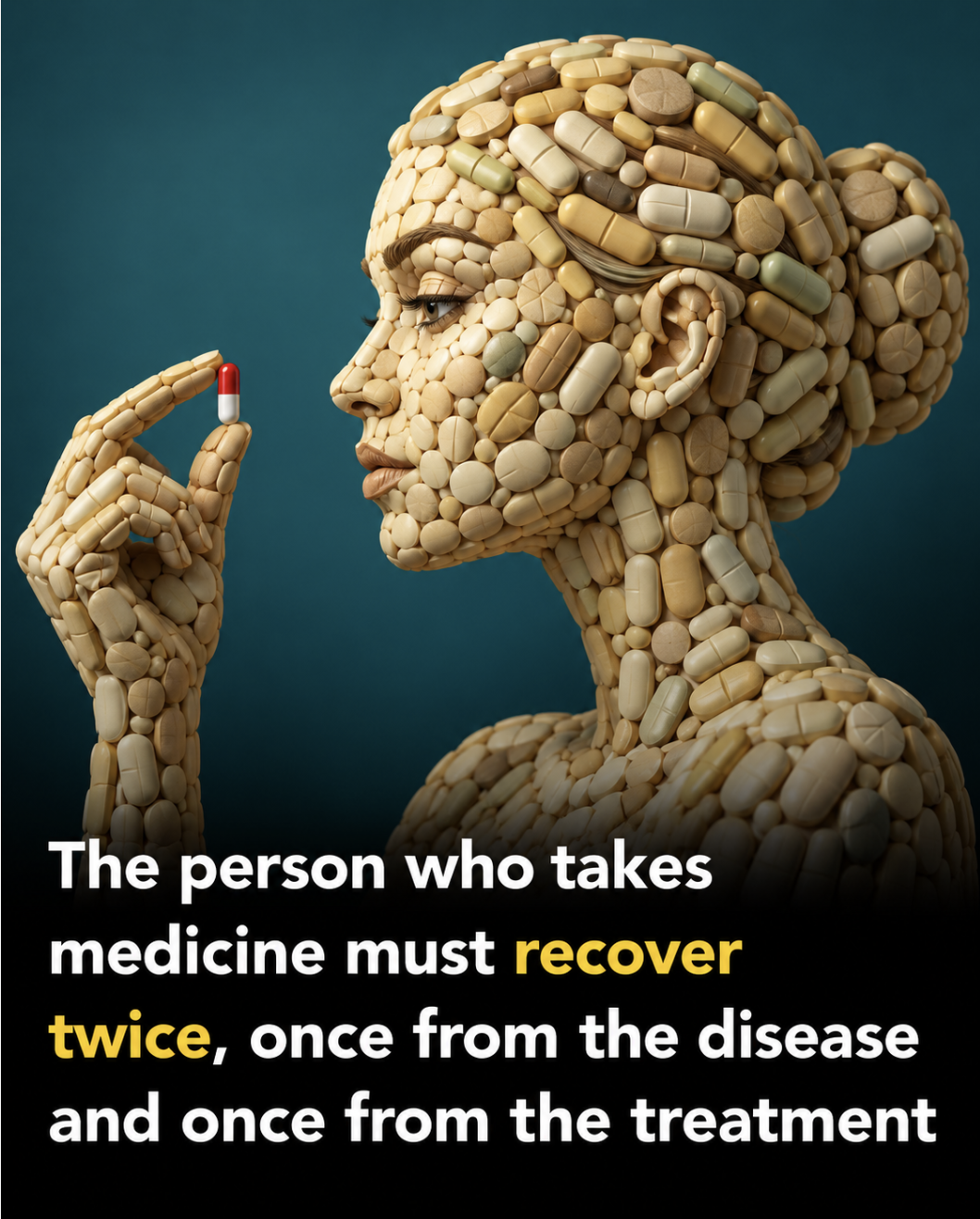
“The person who takes medicine must recover twice, once from the disease and once from the treatment.”
This statement, often attributed to Dr. William Osler, invites us to consider an important part of healing that is sometimes overlooked: treatment can help the body while also placing new demands upon it.
Medication can be lifesaving, necessary, and tremendously helpful. It may control symptoms, prevent complications, treat infections, stabilize body systems, or make daily life possible. At the same time, some medications can produce side effects, affect nutrient levels, influence digestion, or require the liver and kidneys to do additional work.
This does not mean medication is harmful or should be avoided. It means that healing is often more complex than simply treating a diagnosis.
The Body May Be Managing More Than the Illness
When a person is sick, the body is already using energy and resources to restore balance. The immune system may be activated. Sleep, appetite, digestion, mood, and energy production may be disrupted. Pain or inflammation may also place the nervous system under continued stress.
Treatment introduces another factor for the body to process. Depending on the medication and the individual, this may involve changes in:
- Digestion and bowel function
- Appetite or nutrient absorption
- Sleep and energy
- Mood, focus, or emotional regulation
- Hormonal balance
- Liver or kidney workload
- The gut microbiome
- Medication-to-medication interactions
One person may tolerate a medication with few difficulties, while another may experience noticeable effects. Age, genetics, nutritional status, hydration, stress, health history, dosage, and other medications can all influence the response.
Recovery Is More Than Symptom Reduction
A symptom becoming quieter does not always mean the body has completely recovered.
For example, medication may reduce pain, improve sleep, control blood pressure, or calm inflammation. Those improvements matter. However, the person may still need support rebuilding strength, improving nutrition, regulating the nervous system, restoring healthy sleep, and addressing the underlying factors that contributed to the problem.
True recovery may involve several layers:
- Relieving immediate symptoms – Reducing pain, controlling infection, stabilizing a health condition, or helping someone function safely may need to come first.
- Monitoring the response to treatment – Effective care includes noticing whether a medication is helping, causing unwanted effects, or interacting with other treatments.
- Supporting the body during treatment – Adequate hydration, appropriate nutrition, restorative sleep, gentle movement, stress regulation, and regular follow-up can help the body manage the demands of both illness and treatment.
- Addressing contributing factors – When appropriate, care may also explore digestion, nutrient status, chronic stress, sleep patterns, environmental exposures, emotional health, and other influences on the person’s well-being.
- Rebuilding after the crisis has passed – Even when the original condition improves, the body may need time to restore energy, strength, confidence, and resilience.
A perfect example of this is when we take an antibiotic. It greatly affects the microbiome in the intestinal tract and can take up to 2 years for the gut to heal completely.
The Patient’s Experience Matters
This perspective also validates people who say, “The medication helped, but I still don’t feel like myself.”
A person can be grateful for a treatment and still struggle with its effects. These are not conflicting experiences. Both can be true.
Patients deserve space to discuss concerns without being labeled difficult or noncompliant. Symptoms such as fatigue, digestive changes, brain fog, emotional changes, dizziness, or sleep disruption should not automatically be dismissed. They may be related to the illness, the medication, the dosage, another condition, or a combination of factors.
The goal is to listen carefully and determine what the body may need, not judge.
Informed Care Creates Better Decisions
Understanding the benefits and possible burdens of treatment allows patients and providers to make more thoughtful decisions together.
Helpful questions may include:
- What is this medication intended to accomplish?
- How will we know whether it is working?
- What side effects should I watch for?
- Could it interact with my other medications or supplements?
- Does it affect any nutrients or body systems over time?
- Will I need laboratory monitoring?
- Are there lifestyle practices that can safely support my recovery?
- When should the medication be reviewed?
- If it is eventually discontinued, does it require gradual tapering?
These conversations are not anti-medication. They are part of responsible, individualized healthcare.
Supportive Care Should Work Alongside Medical Care
A whole-person approach does not require choosing between conventional treatment and holistic support. The two can work together.
Medical treatment may address an urgent or clearly defined condition, while supportive care helps the person maintain strength, improve daily function, and recover more fully. Depending on the individual, that support might include nutrition, hydration, sleep improvement, nervous-system regulation, counseling, appropriate movement, stress management, and coordination among providers.
Any complementary approach should be considered in the context of the person’s diagnosis, medications, health history, and medical recommendations.
Medication Changes Require Professional Guidance
Medications should not be stopped, reduced, or replaced without speaking with the prescribing healthcare provider. Some medications can cause serious withdrawal symptoms, rebound effects, or health risks when discontinued suddenly.
If treatment is creating difficulties, the next step is a conversation—not an abrupt change. A provider may be able to adjust the dose, change the timing, recommend monitoring, address an interaction, or consider another option.
A More Complete Understanding of Healing
The deeper wisdom in this quote is not that medicine should be feared. It is that the person receiving the medicine should never disappear behind the treatment plan.
Healing asks us to consider the disease, the treatment, and the whole person experiencing both.
Medication may be an essential part of recovery. Thoughtful support can help ensure that the body is not only treated, but also nourished, heard, and given the opportunity to rebuild.
Your body whispers before it screams. Paying attention to its response—and communicating openly with your healthcare team—can help create a safer, more complete path toward healing.
This article is intended for education and does not replace individualized medical advice. Consult your prescribing healthcare provider before making any medication changes.